Exterior House Paint Colors That Fit St. Louis Architecture
Category
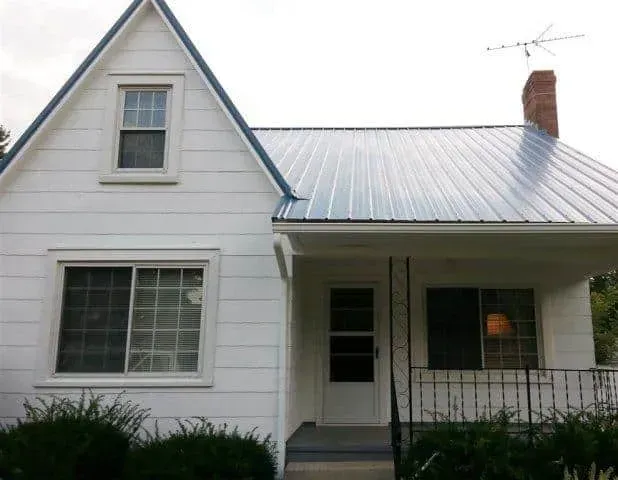
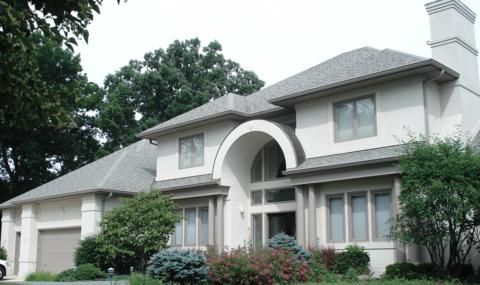
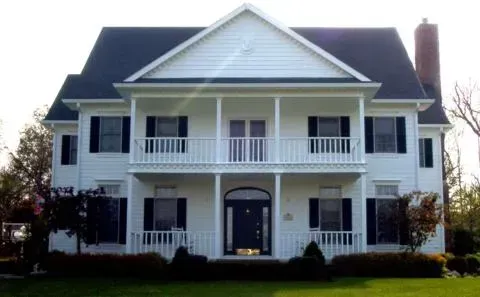
The exterior house paint colors that look right in St. Louis follow the architecture. Red-brick four-squares and bungalows want trim and porch colors that respect the brick. Mid-century ranches handle simpler, bolder palettes. 1990s two-story siding homes need contrast to break up big walls, and Tudors look best in muted, earthy schemes.
Late August is when a lot of homeowners in Webster Groves and O'Fallon start taping swatches to the siding, aiming for a fall project before the weather turns. Before you fall for a color on your phone, figure out what kind of house you actually have. The style narrows the choices faster than any trend list.
How do you pick exterior colors that suit your home's style?
Start with what you can't change, then let the style decide how many colors you use and how much contrast they carry. The roof, any brick or stone and the house's era are fixed. Body, trim and accent are the variables.
Most houses look right with three colors: a body color, a trim color and one accent for the front door or shutters. Older, more detailed houses can carry a fourth. Simple modern forms often look best with two.
| Home style | What's fixed | Trim strategy | Where the accent goes |
|---|---|---|---|
| Red-brick four-square or bungalow | Brick body, stone or concrete foundation, deep front porch | Cream, warm off-white, or a deep color pulled from the brick | Porch ceiling and front door |
| Mid-century ranch | Low roofline, long walls, often partial brick or stone | Trim close to the body, or a crisp dark fascia | A bold front door |
| 1990s–2000s two-story siding home | Big flat walls, garage-forward front, shingle roof | Strong contrast to outline windows and corners | Shutters and door; garage doors match the body |
| Tudor or Tudor Revival | Brick or stone below, stucco and half-timbering above, steep roof | Dark timbers against a light stucco field | Arched front door in a rich, deep tone |
What colors work on red-brick four-squares and bungalows?
On these houses the brick is already the body color, so your choices are trim, porch, soffits and door. Warm whites and creams are the traditional answer. Deep greens, bronzes and near-black trim work too when you want the house to look heavier and more grounded.
The city and inner-ring suburbs are full of these houses, and their wood parts (porch columns, beadboard ceilings, eave brackets) are where color actually shows. An old trick still works here: pull the trim color from the darkest bricks in the wall, and the woodwork ties back to the masonry instead of fighting it.
Keep cool blue-grays away from orange-red brick, where they tend to look dirty. Painting the brick itself is a separate, much bigger decision, especially in a historic district.
What colors suit a mid-century ranch?
Ranches look best in simple palettes that play up their long, low lines. Two colors, or two plus a strong door, usually beats a busy three- or four-color scheme on a house this horizontal.
Many St. Louis County ranches from the '50s and '60s mix brick with a section of board siding. One body color over the siding, with fascia matching or in a crisp dark contrast, makes the house look intentional. Mid-tone earthy colors, warm grays and off-whites fit the era. The front door is where period personality comes back in.
How should you color a 1990s or 2000s two-story siding home?
Give it contrast. Big two-story walls in one light color look like a box, so either a medium or deeper body with lighter trim, or a light body with dark window trim, gives the front some structure.
In St. Charles County and west county subdivisions, the typical house has fiber cement or wood-composite siding, a front-load garage taking up a third of the facade and builder beige everywhere. Three moves make the biggest difference. Deepen the body color a few steps. Outline windows and corners in a contrasting trim. Paint the garage doors to match the body so they recede.
Deeper body colors absorb more sun, and fading shows first on south and west walls, a trade-off we cover in which exterior colors last the longest.
What palette fits a Tudor?
Tudors look right in restrained, earthy schemes: a cream, oatmeal or warm stucco field with deep brown, charcoal or black half-timbering. The masonry and the steep roof already carry plenty of visual weight.
Clayton, University City and parts of south city have handsome Tudor Revivals with brick or stone on the first floor and stucco above. Keep the stucco in the same warm family as the masonry. Timbers in a dark, slightly warm brown usually look more convincing than flat jet black. The arched front door is the one place to go richer, like oxblood, deep green or a stained-wood brown.
How should you test exterior paint swatches?
Test big and test outside. A small chip under kitchen lights tells you almost nothing about how a color looks across a whole wall in Missouri sun.
- Paint sample boards at least two feet square, or use large peel-and-stick samples.
- Put them on two walls, one in full sun and one in shade.
- Check them morning, midday, evening and on an overcast day.
- Hold each sample right next to the roof and any brick or stone.
Colors almost always read lighter outdoors than on the chip, so plenty of people end up a shade or two darker than their first pick. If you're using a thicker exterior coating system rather than paint, ask to see your color in the actual product, since texture and sheen change how a color reads on the wall.
Color is a big part of how people feel about the finished job. As one homeowner told us:
"Professional and prompt! From the initial phone call to completion, they were on it. We are thrilled with the quality of work and love how our house turned out. I highly recommend Rhino Shield of Missouri!"
— Crystal C.
Loving how the house turned out usually starts with a color that suited it.
Do you need HOA or historic district approval for exterior colors?
Often, yes. Many subdivision HOAs require color approval before you paint, and homes in local historic districts may need design review for exterior changes, including painting masonry that's never been painted. Check before you sign a contract, not after the crew is scheduled.
For an HOA, read your covenants and submit the architectural review form with real color samples attached. Historic district rules vary by municipality, since the City of St. Louis has its own districts and standards and suburbs with historic districts set their own. The Landmarks Association of St. Louis is a good resource on how the region's historic houses were built. If your home sits in a district, our page on painting historic buildings explains how we approach those projects.
Frequently Asked Questions
What is the most popular exterior house color?
Whites, off-whites and warm grays are among the most common exterior choices, and they suit a wide range of St. Louis homes. Popular isn't the same as right, though. Your roof, any brick or stone and the style of the house should narrow the options before trends do.
How many colors should a house exterior have?
Three is the usual number: body, trim and accent. Detailed older homes, like Victorians and some bungalows, can carry four. Simple mid-century ranches and modern designs often look best with two colors plus a strong front door.
Do dark exterior colors fade faster?
Dark colors absorb more heat and UV, so fading tends to show sooner, especially on south and west walls. Product quality and film thickness matter a lot. Thin paints show it first, while thicker coatings with UV-resistant pigments hold their color longer.
When should you choose exterior colors?
Before the crew is scheduled, and ideally while you're still collecting estimates. HOA and historic reviews can take weeks, and swatches need several days of viewing in different light. Homeowners planning a fall project usually start testing colors in late summer.
Want help choosing colors for your house?
Rhino Shield of Missouri helps homeowners across the St. Louis area land on colors that fit the house, then protects them with a ceramic elastomeric coating backed by a 25-year transferable warranty. Schedule a free estimate or call 314-239-7947.