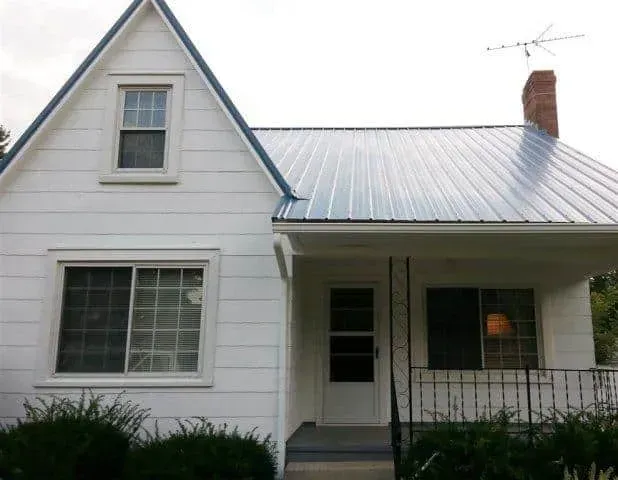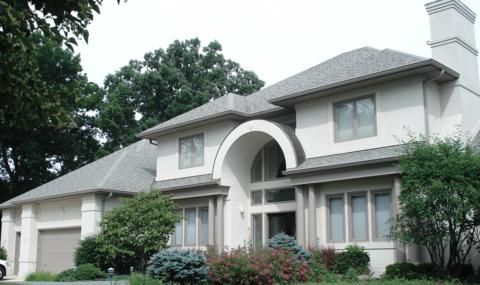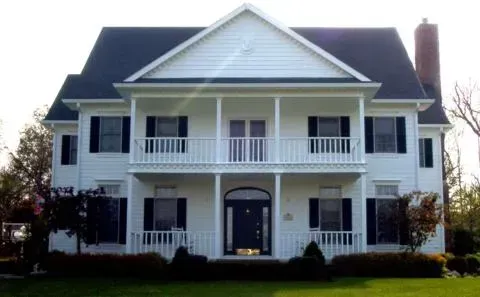
Exterior Painters in Kirkwood and Webster Groves: Caring for Older Homes and Big Porches
Category
Exterior painters in Kirkwood and Webster Groves spend most of their time on prep, because these are older homes: wood clapboard, deep front porches, decades of paint layers that likely include lead, and heavy shade from mature trees. A good job here means lead-safe work, careful scraping and repair, mildew treatment, and a finish that can handle humid summers.
If you've been typing "exterior painters near me" from a porch swing on one of these streets, you already know the houses aren't simple. Plenty of them are over a century old. Here's what that means for the work, and what to ask anyone who bids on it.
What makes Kirkwood and Webster Groves homes harder to paint?
Age, wood, and detail. Both towns grew up as railroad suburbs, and a lot of the housing stock is Victorian, Queen Anne, foursquare, and Craftsman, with original wood siding and trim that's been painted many, many times.
Every one of those paint layers is something the new finish has to bond to. When the bottom layers are failing, it doesn't matter how good the top coat is. The whole stack lets go together. That's why scraping back to sound, well-bonded material takes so long on these houses, and why a bid that skips it should worry you.
Detail adds hours too. Fish-scale shingles in a gable, corner boards, dentil trim, window casings with several profiles, brackets under the eaves. A crew can't spray and walk away from that kind of work. Some houses also got aluminum or asbestos siding installed over the original wood decades ago, and those materials need their own prep approach.
Owners of these homes tend to care a lot about how the finished house looks. One customer with a much older home wrote this:
"I had a great experience from start to finish! I had my 124-year-old home repainted with Rhino Shield, and it looks great! The colors pop and the house looks fresh. From bid to project completion, everyone was professional."
— Drew J.
A house that old can look fresh again. It just takes a crew willing to put the time into prep first. If you're in Kirkwood, our Kirkwood exterior coating page has more on the homes we work on there.
How should a big front porch be handled?
Treat the porch as its own project inside the bigger job. Porches take more weather than any other part of an old house, and they hide the most rot.
Check these spots before you collect bids:
- Column bases. Water sits where wood columns meet the deck, and the bottom few inches often rot out from the inside.
- Railings and spindles. Lots of surface area, lots of joints, and lots of hand work to prep.
- Beadboard ceilings. They peel in strips when moisture gets above them, which usually points to a roof or gutter issue that should be fixed first.
- Floors and steps. Walking surfaces need a floor-rated product. Ask each contractor exactly what goes on the floor, because it shouldn't be the same thing that goes on the walls.
- The joint where the porch roof meets the house. Failed flashing there sends water down behind the siding.
Get carpentry repairs written into the scope with a clear plan for what happens if the crew opens up a column and finds more damage than expected. Unpriced surprises cause most porch disputes.
Why does tree shade cause problems for exterior paint?
Shade keeps siding damp. Damp siding grows mildew and algae, and it slows the drying that prep and new coatings depend on.
Kirkwood and Webster Groves are known for big old oaks and maples, and on some blocks the canopy covers most of the house all summer. North-facing walls under that canopy may barely dry out between June storms. You'll see it as a green or gray film, usually worst near the ground and under the eaves.
That has a few practical effects. The house needs a thorough wash with a mildew treatment. Plain water won't cut it. The crew has to give the wood real drying time afterward, which in mid-June humidity can mean waiting a day or more before primer. Mornings bring heavy dew in the shade, so work on those walls often starts later in the day. And trimming back branches that touch the house helps any finish last longer, whatever product you choose.
Do historic district rules affect exterior painting here?
Sometimes. Both cities have historic preservation programs, and homes that are locally landmarked or sit inside a designated district may need review before certain exterior changes.
Rules vary by district, and they tend to focus more on materials and architectural details than on paint color. Replacing original wood trim with a different material is the kind of change that's more likely to need sign-off. Before you commit to a project, call your city's planning office, confirm whether your address is in a district, and ask what triggers review. It's a five-minute call that can save you a stopped job. Webster Groves homeowners can also find more on our Webster Groves exterior paint coating page.
For the technical side of old wood and paint failure, the National Park Service's Preservation Brief on exterior paint problems on historic woodwork is the best free reference out there. It explains peeling, blistering, and alligatoring in plain terms.
What does lead-safe exterior work look like?
On any house built before 1978, contractors who disturb old paint have to follow federal lead-safe work practices and be certified to do so. Most homes in these neighborhoods qualify.
In practice that means plastic sheeting on the ground to catch paint chips, controlled scraping methods, no open-air dry sanding of old paint, and a careful cleanup at the end so chips don't end up in your flower beds or the kids' play area. Ask every bidder for their certification. If they hesitate, move on.
Rhino Shield of Missouri follows the same sequence on these homes as on any other: wash, repair, caulk and seal, prime, then multiple coats of ceramic elastomeric topcoat. The difference on a century-old house is how much time the first three steps take. Our St. Louis exterior painters will tell you at the estimate if your wood needs more repair than a coating can cover.
Frequently Asked Questions
Can you coat over old paint on a 100-year-old house?
Yes, as long as the old paint is firmly bonded. Loose and peeling layers have to be scraped back to sound material first, and damaged wood repaired. If the existing paint is failing across the whole house, more prep is needed before any new finish will hold.
Do I need approval to change my house color in Kirkwood or Webster Groves?
Most homes don't, but landmarked properties and homes in designated historic districts can have review requirements for exterior changes. Call your city's planning office with your address before you start. Ask specifically about color and about replacing any original materials.
How do you keep mildew off a house under big shade trees?
Start with a wash that includes a mildew treatment, let the siding dry fully, and then apply a finish that resists mildew. Trimming branches away from the walls and keeping gutters clear helps a lot. Shaded north walls will always be the first place mildew comes back, so check them every spring.
Should porch floors get the same coating as the siding?
No. Floors and steps take foot traffic and need a product rated for walking surfaces. Ask your contractor what they plan to use on the porch floor and whether it's covered by the same warranty as the walls.
Talk to us about your older home
If your Kirkwood or Webster Groves house is due, request a free estimate or call 314-239-7947. We'll walk the porch, the shaded sides, and the trim with you and put the prep plan in writing.